
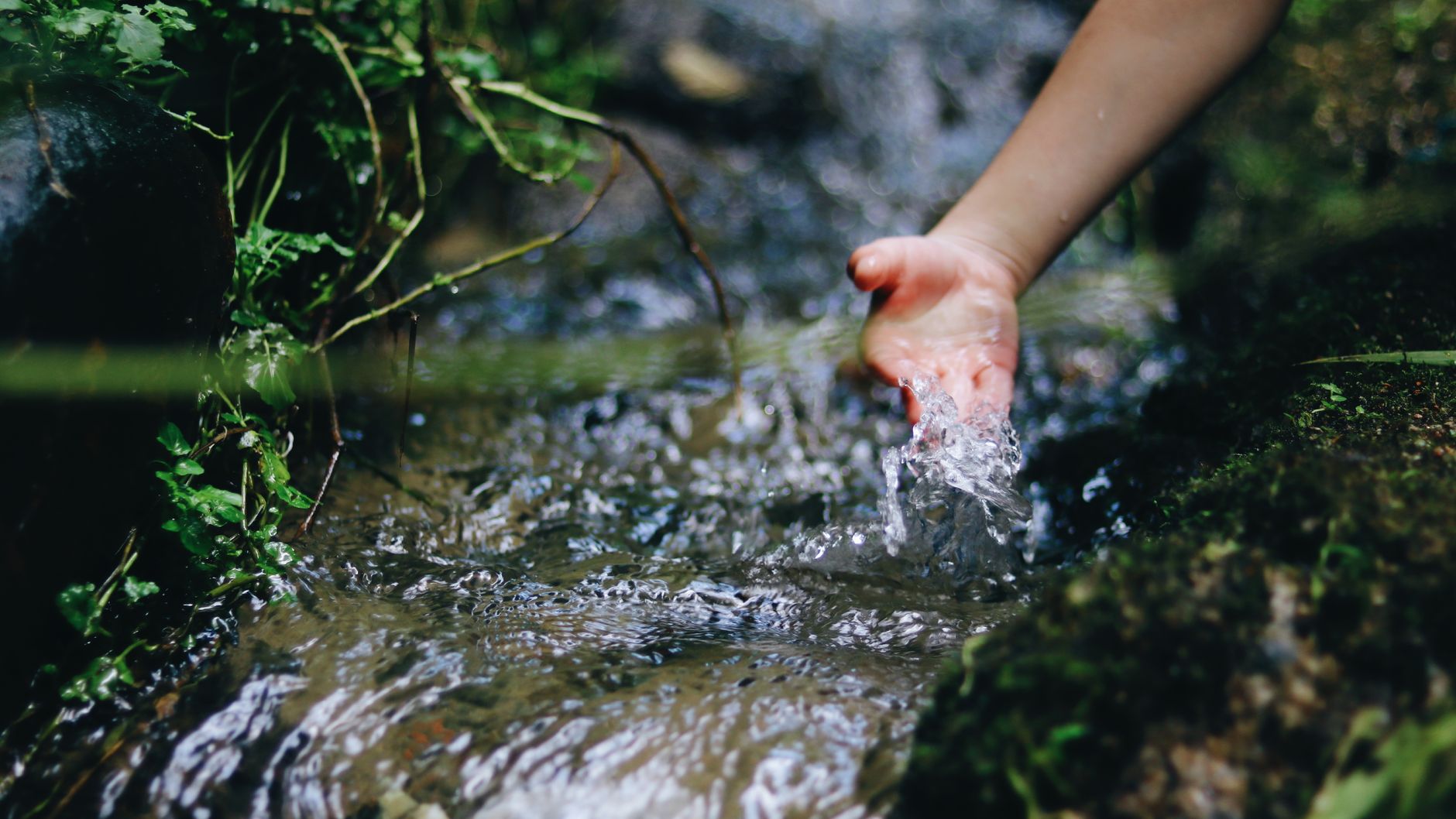
Clean Water Act: The Right Way to Ensure Safe Water Access
The Clean Water Act is a fundamental piece of legislation aimed at preserving the quality of our nation’s water resources. This act plays a vital role in ensuring safe water access for all citizens.
Understanding the Clean Water Act
The Clean Water Act is a pivotal piece of legislation in the United States aimed at regulating the discharge of pollutants into the nation’s waters. Established in 1972, this act serves as a framework for maintaining and restoring the integrity of the country’s waters, ensuring that they remain clean and safe for public use.
The primary goals of the Clean Water Act include:
- Controlling pollutant discharges from point sources, such as factories and wastewater treatment plants.
- Protecting wetlands and their ecological functions.
- Establishing water quality standards for various water bodies.
- Promoting the restoration of impaired waters through funding and regulatory measures.
One key aspect of the Clean Water Act is the National Pollutant Discharge Elimination System (NPDES), which requires facilities to obtain permits for discharging pollutants. This system aims to minimize the environmental impact of these discharges and safeguard public health.
Additionally, the act encourages state and local governments to implement pollution control programs and to engage in efforts that support water quality improvements. By fostering collaboration among various stakeholders, the Clean Water Act plays a crucial role in ensuring that all Americans have access to clean and safe water resources.
Impact on Local Communities
The Clean Water Act has a profound impact on local communities across the United States, ensuring the availability of safe and clean water. Its provisions not only protect water quality but also enhance the overall health and well-being of residents.
One of the key benefits of the Clean Water Act is its role in:
- Reducing Pollution: The Act regulates discharges of pollutants into navigable waters, leading to a decrease in waterborne diseases and contaminants that can affect community health.
- Supporting Local Economies: Clean water is essential for industries such as fishing, tourism, and recreation. The Act helps maintain the quality of water bodies that are vital for these economic sectors.
- Enhancing Recreational Opportunities: With cleaner lakes and rivers, community members can enjoy activities such as swimming, fishing, and boating, which promote physical health and community cohesion.
- Encouraging Environmental Stewardship: The Clean Water Act fosters a sense of responsibility among residents to protect and preserve their local waterways for future generations.
In summary, the Clean Water Act plays an essential role in shaping vibrant and healthy communities, ensuring that access to safe water is both a right and a reality for all.
Key Provisions of the Act
The Clean Water Act encompasses several key provisions aimed at protecting the nation’s water resources. These provisions are designed to ensure that all Americans have access to safe and clean water.
- National Pollutant Discharge Elimination System (NPDES): This system regulates the discharge of pollutants into waters of the United States, requiring permits for any entity that discharges pollutants.
- Water Quality Standards: The Act establishes water quality standards to protect fish, wildlife, and recreation. States are required to set these standards and develop plans to achieve and maintain them.
- Section 404 Permitting: This provision regulates the discharge of dredged or fill material into waters, including wetlands. It aims to minimize environmental impact while allowing necessary development.
- Grants for Water Quality Improvement: The Clean Water Act provides federal funding to states and municipalities for infrastructure improvements, helping them to upgrade sewage treatment plants and other water-related facilities.
- Public Participation: The Act encourages public involvement in the decision-making process, allowing communities to have a say in water quality issues that affect their health and environment.
These key provisions reflect the intent of the Clean Water Act to maintain and improve the quality of the nation’s waters, ultimately safeguarding public health and the environment.
Challenges in Implementation
The implementation of the Clean Water Act faces several challenges that can hinder its effectiveness in ensuring safe water access. These challenges are multifaceted and require ongoing attention and resources.
- Funding Limitations: Many local and state agencies struggle with inadequate funding to meet the requirements set forth by the Clean Water Act. This often leads to delays in necessary improvements to water infrastructure.
- Regulatory Compliance: Ensuring compliance with the standards of the Clean Water Act can be complicated, especially for smaller municipalities that may lack the expertise or resources to effectively manage water quality programs.
- Pollution Sources: Non-point source pollution, such as runoff from agricultural activities, poses a significant challenge. Unlike point source pollution, which is easier to monitor and regulate, non-point source pollution is diffuse and difficult to control.
- Public Awareness: There is often a lack of public awareness regarding the importance of the Clean Water Act and the ongoing threats to water quality. Increased education and outreach are needed to engage communities in water protection efforts.
Addressing these challenges is essential to uphold the goals of the Clean Water Act and ensure that all communities have access to safe, clean water.
Future of Water Protection Legislation
The future of water protection legislation is a topic of great importance as communities continue to face challenges related to water quality and access. The Clean Water Act has laid the groundwork for safeguarding water resources, but ongoing threats necessitate further innovation and commitment from lawmakers.
As climate change and industrial activities put additional stress on water systems, future legislation may focus on:
- Strengthening regulations: Enhanced standards for pollutants could be implemented to address emerging contaminants and protect public health.
- Integrating technology: Utilizing advanced monitoring systems and data analytics can help track water quality and ensure compliance with existing laws.
- Encouraging public involvement: Engaging communities in decision-making processes is vital for effective water management, fostering a sense of ownership and accountability.
- Promoting sustainability: Future acts may emphasize the importance of sustainable practices in agriculture and industry to reduce runoff and preserve water resources.
Ultimately, the future of water protection legislation will hinge on collaboration among federal, state, and local governments, as well as the private sector and non-profit organizations. A concerted effort is necessary to adapt and enhance the Clean Water Act to meet the evolving needs of communities and the environment.
Photo by Yaseminmsl on Pexels